A start-up born from INRAE research.
MAELAB is a start-up founded in 2021, based at the INRAE Colmar centre (Haut-Rhin, France). Emerging from INRAE's Agronomy and Environment Laboratory, the company was created to make cutting-edge research technologies, chief among them the MAELIA platform, accessible to public and private decision-makers.
A consultancy, backed by research.
MAELAB maintains strong ties with the research world and actively contributes to the development of the MAELIA platform. MAELAB acts as a consultancy across France for local authorities, businesses and cooperatives, and leads research programmes.
MAELIA, a rich multi-agent platform built on 15 years of development.
MAELIA stems from INRAE research (UMR AGIR and UMR LAE) under way since 2011.
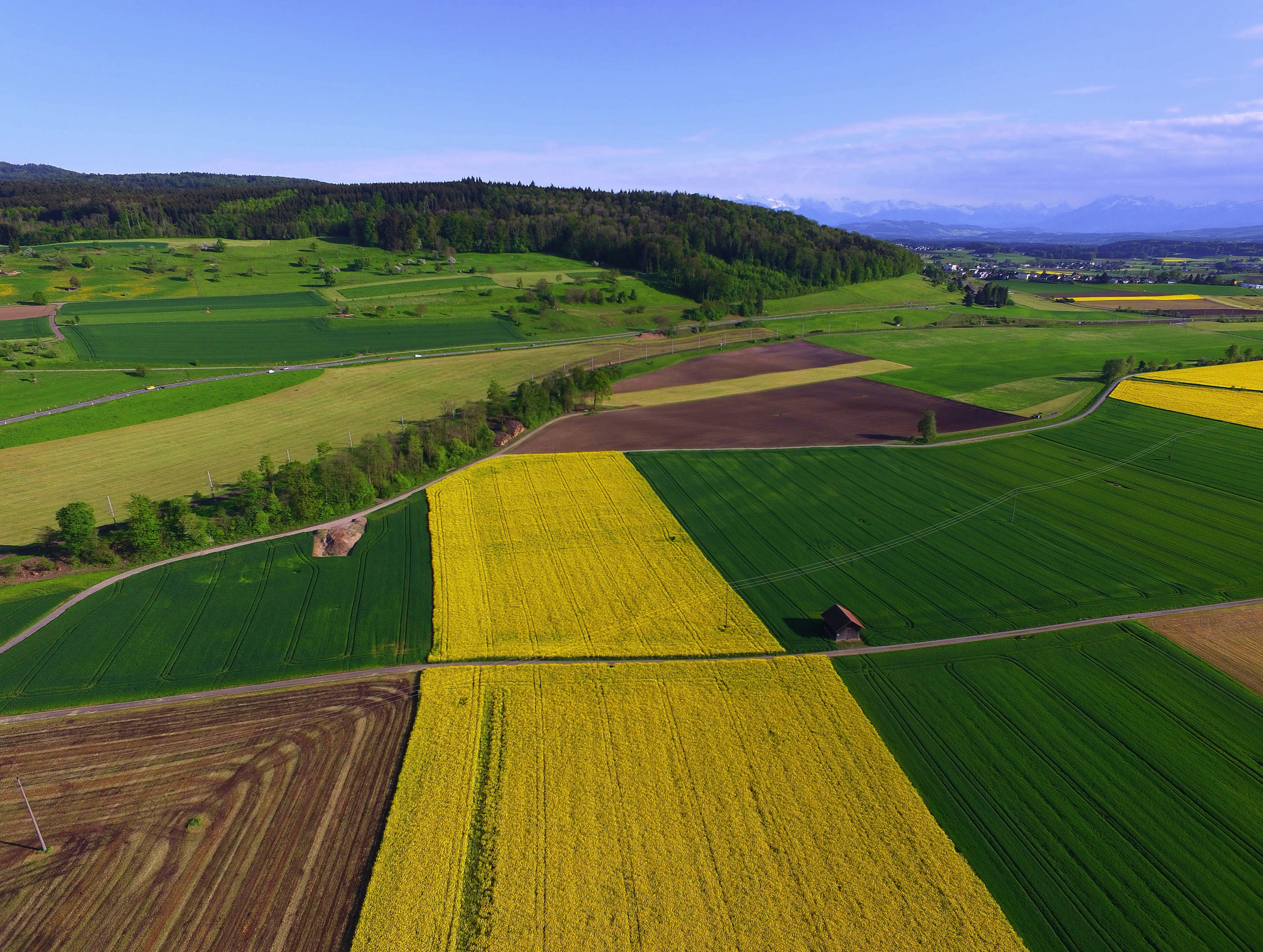
Developed on GAMA®, MAELIA is based on a multi-agent architecture that models and captures the effects of agroecological and bioeconomic transitions in farming territories. The platform is used to assess the environmental, economic and social impacts of changes in farming activity, as well as their dynamics and resilience to variability in climate, prices or agricultural and environmental policy.
Each assessment is run over several years, past or future, under different climate change scenarios, at a daily time step and at the field/watershed scale.
MAELIA integrates and combines several scientifically validated models. The platform has been used in around twenty research projects.
More information on MAELIA here.
The platform's strengths.
Multi-scale
Usable and relevant at multiple scales: field, farm, value chain, territory, country.
All-in-one
Assesses transition and adaptation scenarios across a wide range of aspects (water, economics, yields, carbon, pollution), where classical approaches remain single-criterion.
Ready to use
Easy to deploy in France, and more broadly across Europe.
Spatial and temporal precision
Simulation at field scale, whether for a single field, a farm or a wider territory. Daily time-step simulation, to account for weather variations and within-year events such as heatwaves.
Temporal depth
Simulates several decades into the past (comparable against real data) as well as into the future, using TRACC narratives or RCP/SSP scenarios.
Transparency
Open and readable code, with developments published in international journals.
Researchers and engineers.
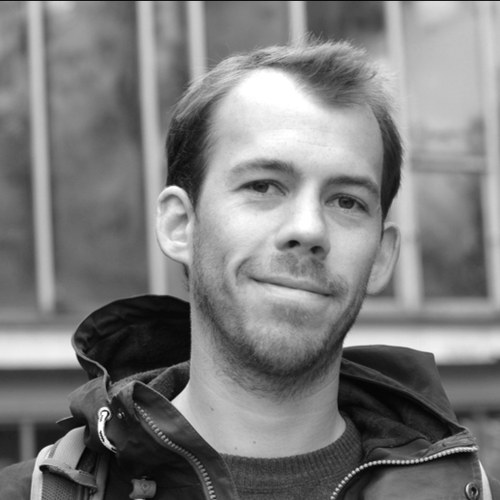
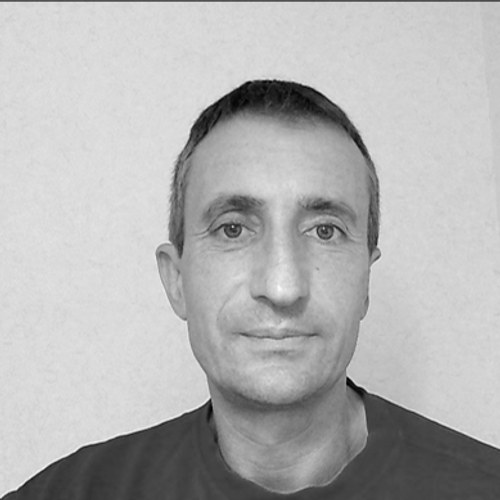
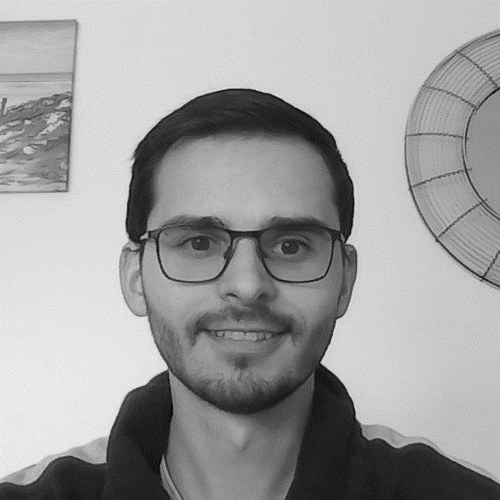
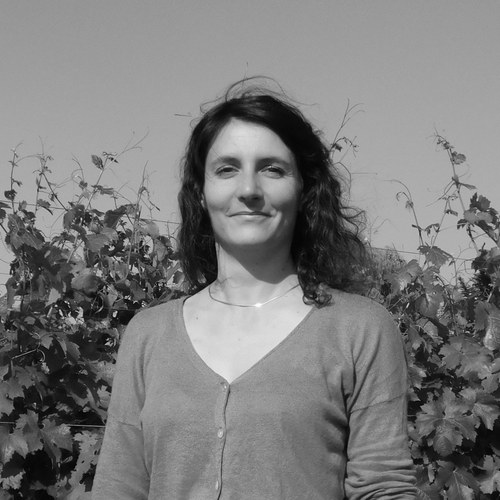
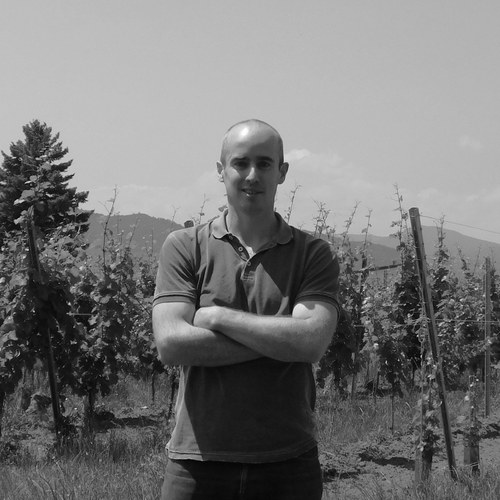
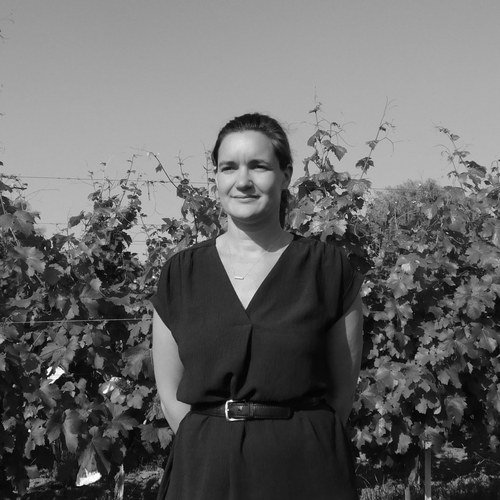
Today the MAELAB team is made up of research engineers, PhDs, agronomists and geomatics specialists, providing cross-cutting answers to complex challenges.
A network of stakeholders, by our side.
A network of stakeholders that MAELAB relies on to develop and deploy its activities.